The problem is usually operational, not ideological
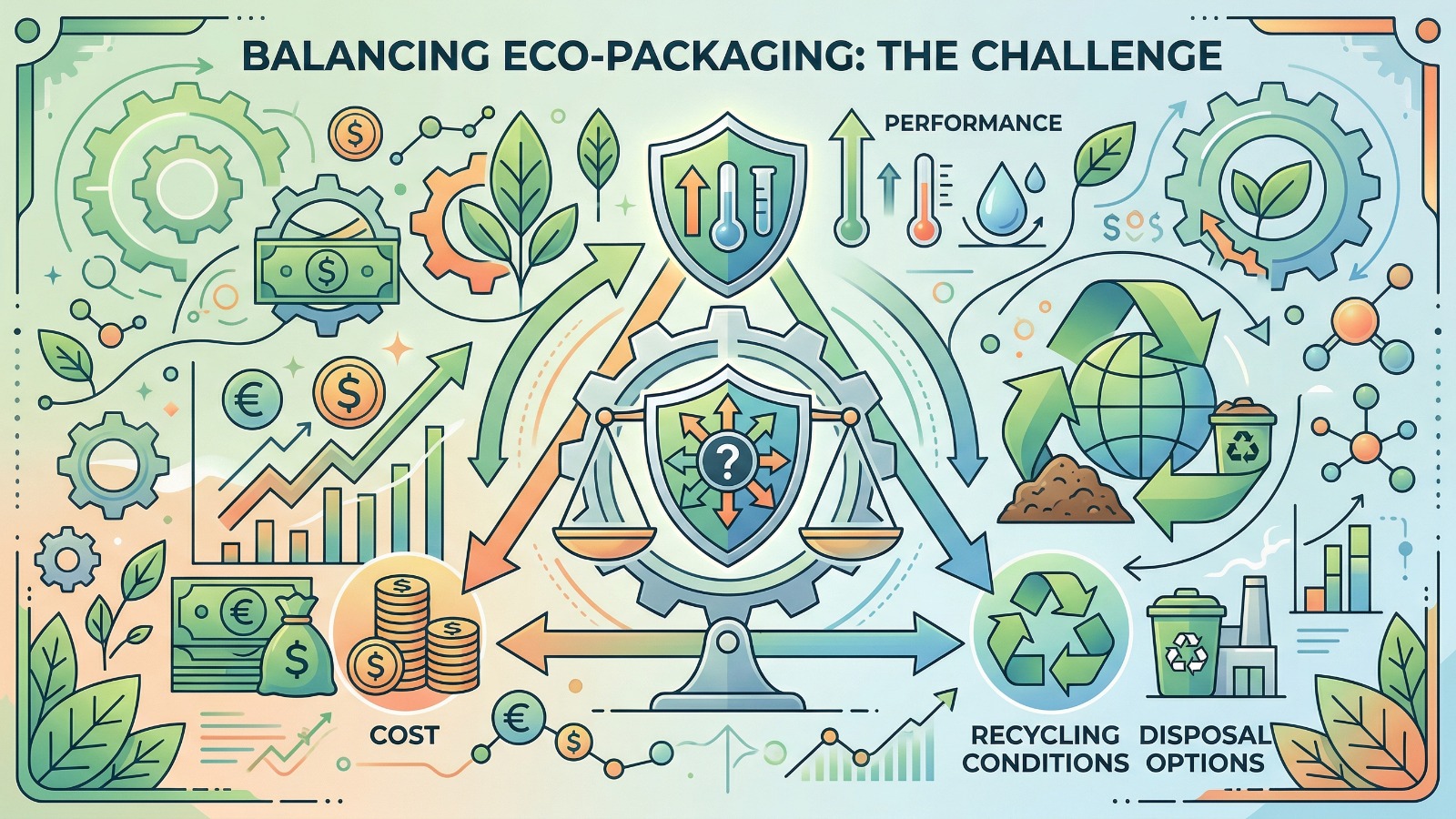
Many businesses do not resist sustainable packaging because they reject the idea in principle. The difficulty is that a packaging format has to survive real food service conditions, fit the budget and still make sense within the disposal systems available in the market.
Cost pressure changes how quickly a switch can happen
A format that looks attractive from a sustainability point of view can still stall if the unit price, storage impact or replacement risk is too high for the business. Foodservice operators often need to compare not only purchase price, but also breakage, workflow changes and supply stability before deciding.
Food behavior still sets hard limits
Heat, grease, moisture, delivery time and stacking all shape whether a packaging choice works in practice. A material that sounds environmentally better on paper may still fail if it weakens product presentation, leaks during transport or slows down packing in the kitchen.
Disposal claims are only useful when the route is real
A package cannot be judged only by what it is designed to do at end of life. The result also depends on whether collection, sorting, composting or recycling conditions actually exist where the product is used, which is why market reality matters as much as technical labeling.
Internal workflow often decides success or failure
Packaging changes affect filling speed, storage, staff handling and how consistently the same format is used across shifts or locations. If the operational burden is ignored, a theoretically better packaging solution can quickly become unstable in daily service.
Better decisions come from trade-off clarity
Sustainable packaging usually works best when companies compare realistic trade-offs instead of searching for one perfect answer. Cost, product protection, disposal route and operational fit need to be weighed together if the business wants a format that can stay credible over time.