Late compliance review often makes packaging more expensive
Many packaging projects still follow a familiar pattern: a format is designed first, sourced second and questioned later. That sequence becomes difficult when recyclability, material restrictions and supplier documentation all need to be reconsidered after the commercial decision is already in motion.
Circular by design is mainly an earlier decision process
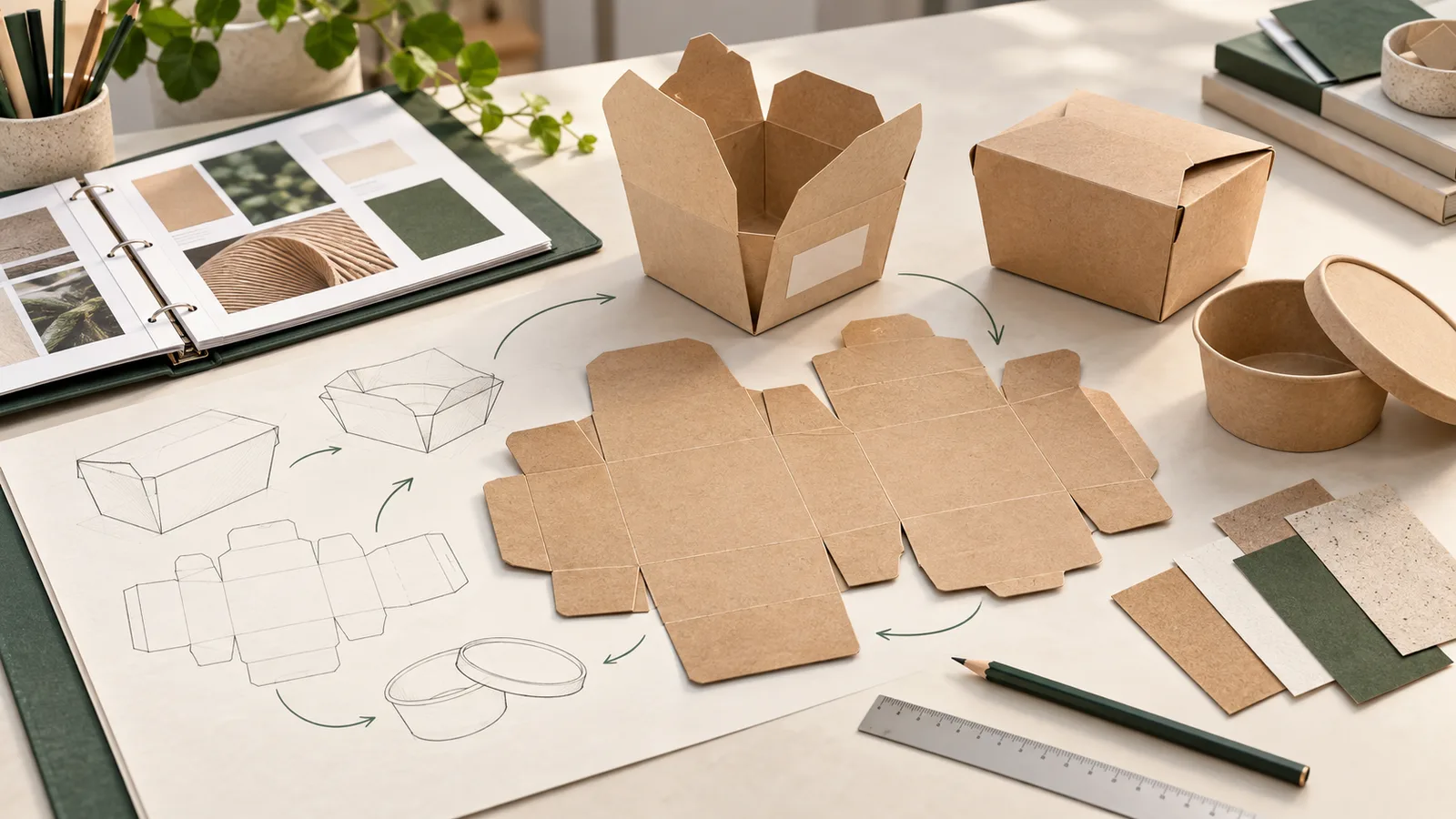
The idea is not only to make packaging look more sustainable. It is to bring material choice, structure, labeling, recyclability assumptions and documentation questions into the design phase, when changes are easier and less costly than after tooling, sourcing and rollout have advanced.
Material choices shape later flexibility
A format built around complex layers or poorly documented inputs can become harder to adapt when regulations or customer expectations shift. Simpler structures, clearer material logic and better supplier information usually leave more room for later adjustments without restarting the whole project.
Recyclability is easier to address before the pack is fixed
Once dimensions, finishes and material combinations are frozen, it becomes much harder to respond to packaging-waste expectations in a practical way. Earlier discussion of disposal route, recovery assumptions and pack components helps teams avoid design decisions that will be expensive to reverse.
Supplier coordination belongs in the design phase too
Design choices are easier to defend when suppliers can confirm what the material is, how it is produced and which records support it. That coordination should happen before the packaging file becomes a patchwork of late answers gathered to rescue an already-selected format.
Early compliance thinking supports steadier projects
Circular by design is useful because it reduces avoidable surprises. When compliance, recyclability and supplier readiness are discussed early, companies usually gain a more stable packaging path without turning the project into a theoretical exercise.