
Find the direction by scenario
Choose Packaging by Store Scenario
If the right packaging is not clear yet, start with store type, service flow, and delivery needs.
Enter by store type
Start with the store scenario
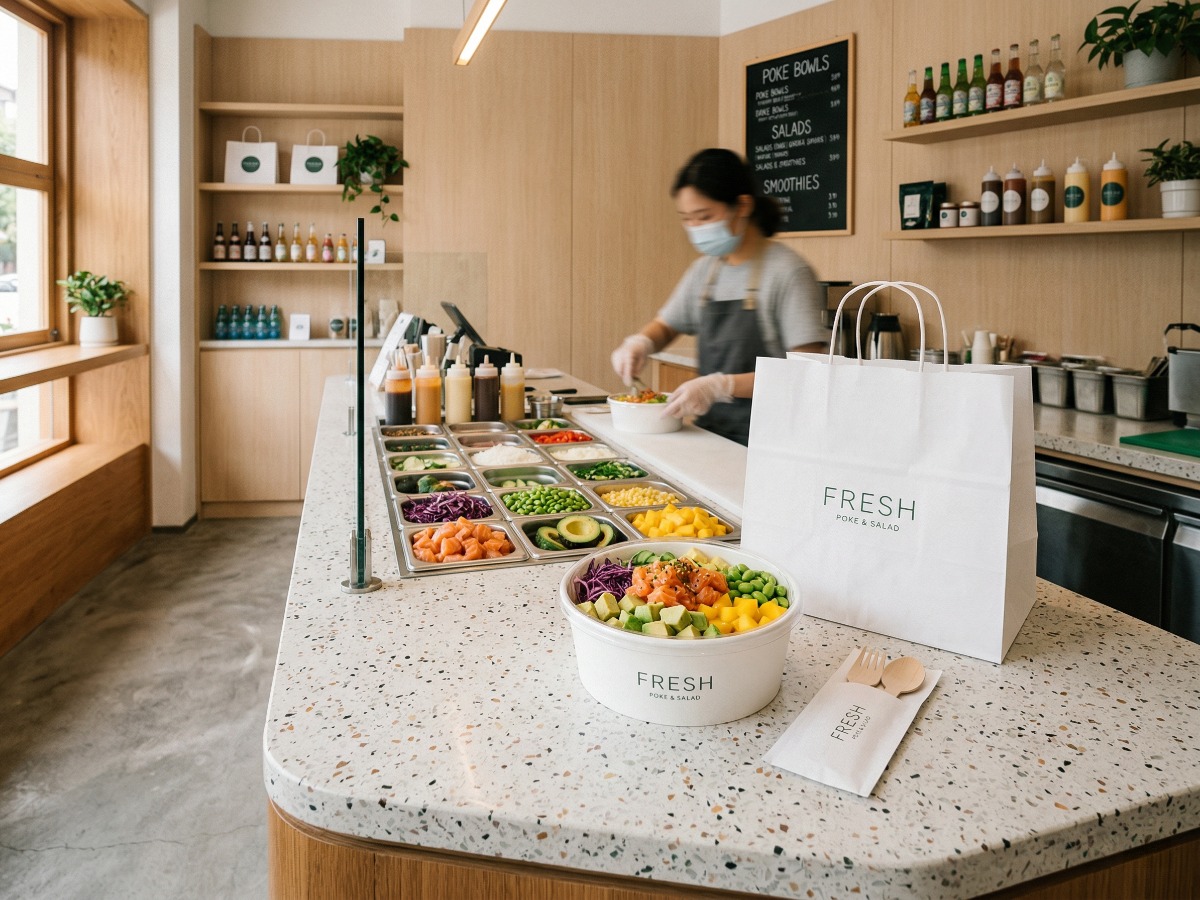
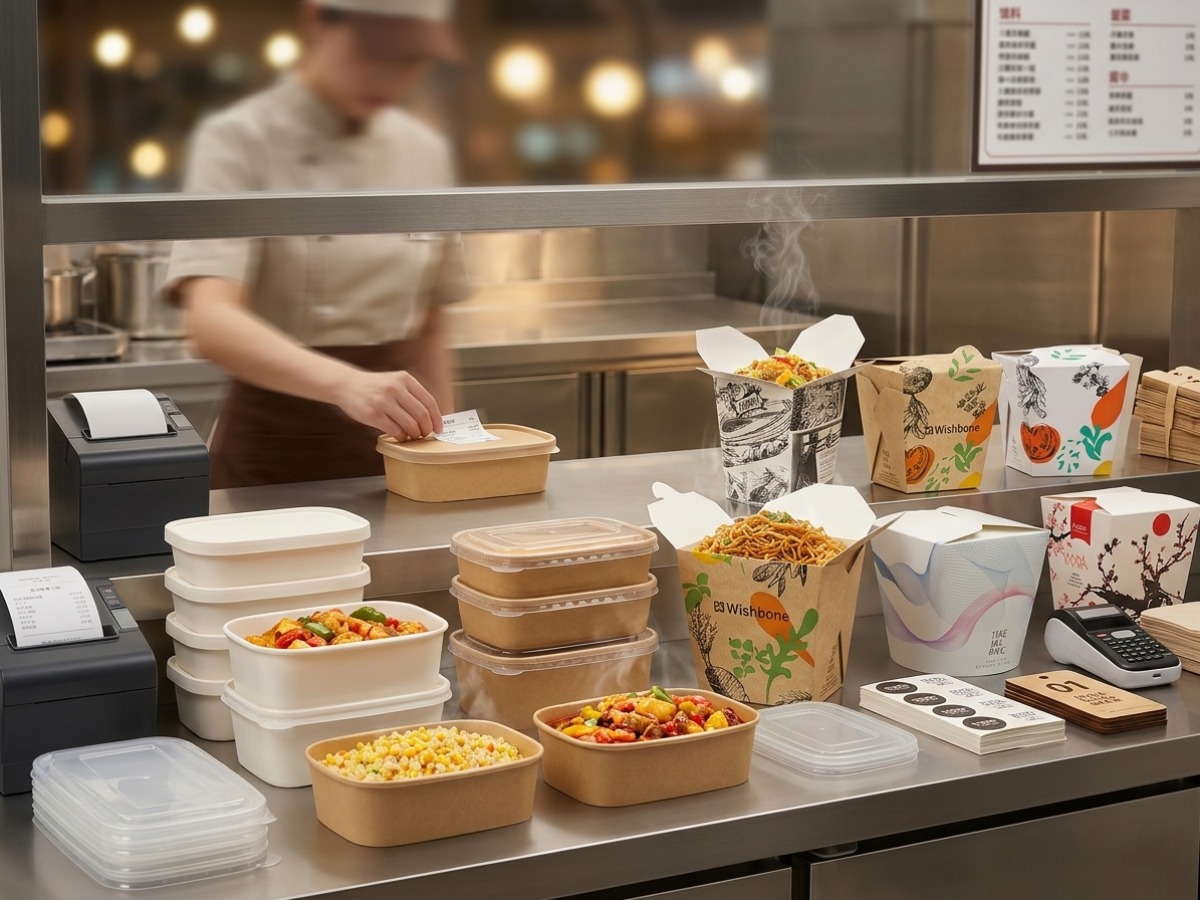
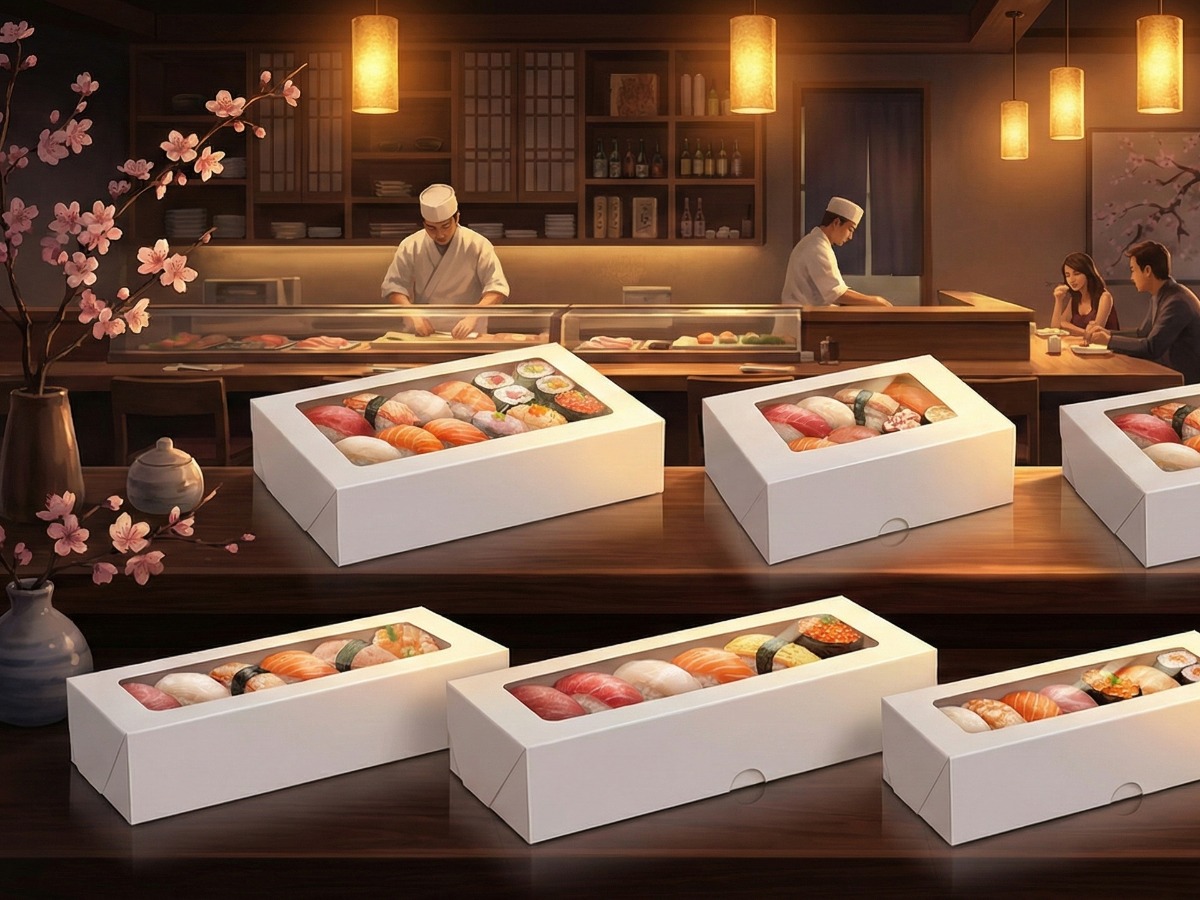
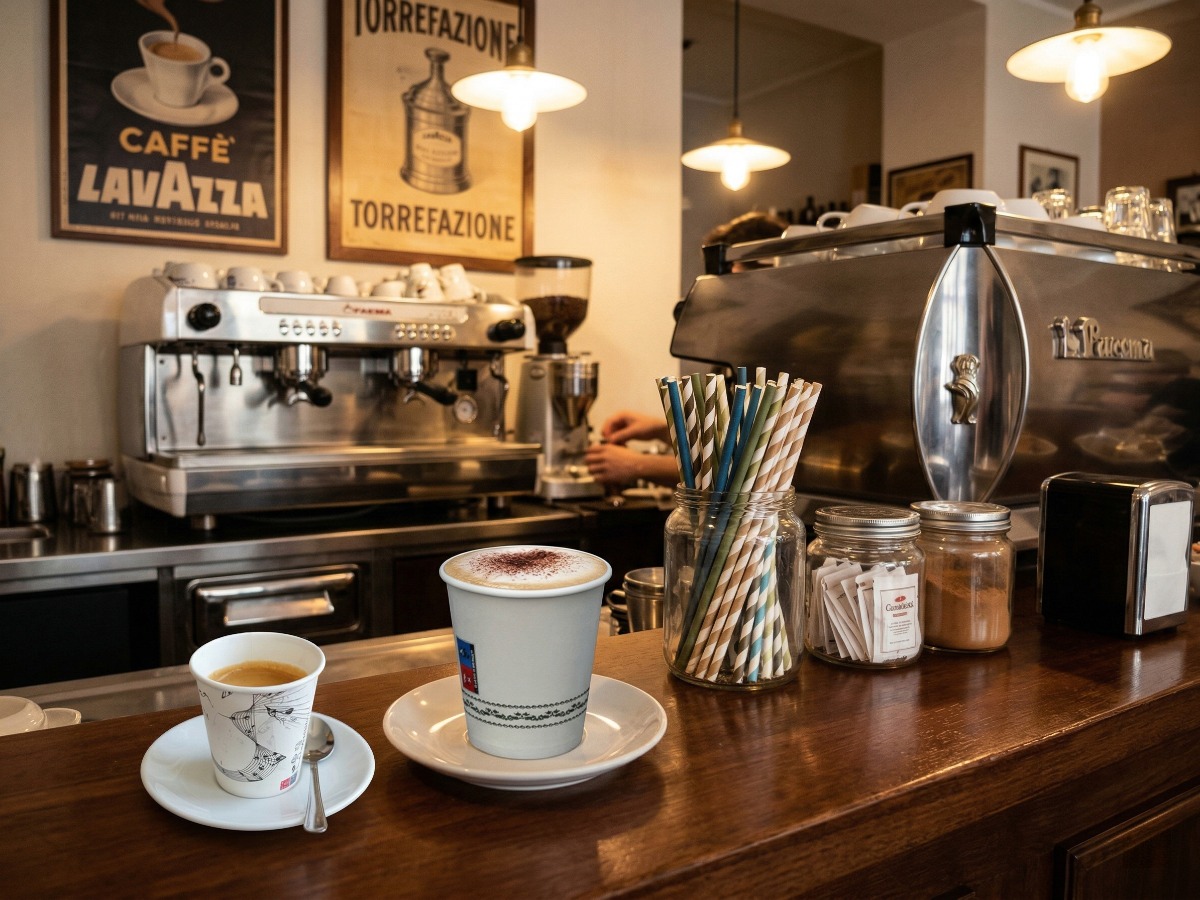
Practical judgment
Common Store Scenarios
Choose packaging by service flow, not just by product name. Leakage control, heat retention, and carry-out stability matter most.
Narrow it down by store type first, then review the scenario priority.
How to keep fried food crispy after delivery?
Steam release, moisture control, and sauce separation help protect texture in transit
To keep fried food in better condition after delivery, three points matter most: side steam release, bottom moisture control, and sauce separation.
Open
How to keep fried food crispy after delivery?
Steam release, moisture control, and sauce separation help protect texture in transit
To keep fried food in better condition after delivery, three points matter most: side steam release, bottom moisture control, and sauce separation.
To keep fried food in better condition after delivery, three points matter most: side steam release, bottom moisture control, and sauce separation. First, ventilation holes should be placed on the side wall rather than on top of the lid, so condensation does not fall back onto the food. Second, a sheet of heavy-duty greaseproof paper under burgers, fried chicken, and similar items helps absorb moisture and protect the base texture. Third, rice and saucy dishes should be packed separately, using a two-compartment box or a separate sauce cup, so texture holds up better during transport.
Keep packaging operations organised during peak kitchen hours
Flat-packed storage, standard sizes, and stable stacking help keep service moving
During peak hours, packaging management often slows service more than cooking itself.
Open
Keep packaging operations organised during peak kitchen hours
Flat-packed storage, standard sizes, and stable stacking help keep service moving
During peak hours, packaging management often slows service more than cooking itself.
During peak hours, service is often slowed more by packaging management than by cooking itself. First, choose boxes delivered flat and folded on site, such as standard burger or pizza boxes, because they save storage space and are faster to handle during a rush. Second, cover most menu items with a small number of standard sizes so staff spend less time choosing the right container. Third, run a stacking test before adopting any packaging, using three filled boxes to check for tilting, sliding, or loose lids during multi-order delivery.
Show more cards+3
Soups, ramen, and hot meals
Heat resistance, steam release, and easy handling determine whether hot food arrives in good condition
In hot-food delivery, the lid, container structure, and carry setup need to work together to limit condensation and handling issues.
Open
Soups, ramen, and hot meals
Heat resistance, steam release, and easy handling determine whether hot food arrives in good condition
In hot-food delivery, the lid, container structure, and carry setup need to work together to limit condensation and handling issues.
In hot-food delivery, trapped steam quickly affects texture, structure, and ease of handling. First, the container needs enough heat resistance and rigidity to hold soups, ramen, and saucy meals without softening too fast. Second, the lid should release steam in a controlled way so condensation does not rapidly weaken noodles, toppings, or surface texture. Third, the carry setup also needs testing: rim comfort, lid security, and bag support should stay manageable for staff, riders, and customers.
Food contact material compliance is the baseline for packaging procurement
Confirm compliance first, then compare price, format, and lead time
When buying packaging, the first check should be food contact material compliance.
Open
Food contact material compliance is the baseline for packaging procurement
Confirm compliance first, then compare price, format, and lead time
When buying packaging, the first check should be food contact material compliance.
When buying packaging, the first thing to confirm is food contact material compliance, before comparing price, format, or lead time. First, request a food contact test report or declaration of compliance to verify that the material suits the food category being served, especially in hot, oily, or prolonged-contact conditions. Second, avoid allowing outer bags or printed wraps with non-food-grade inks to touch uncovered food directly, reducing migration risk. Third, keep up with local regulatory updates so current packaging continues to meet the latest requirements.
Do not wait for bad reviews to improve packaging
Regular checks on real deliveries help surface fulfilment issues earlier
Packaging problems are better addressed before they reach the review stage.
Open
Do not wait for bad reviews to improve packaging
Regular checks on real deliveries help surface fulfilment issues earlier
Packaging problems are better addressed before they reach the review stage.
Packaging problems should not be handled only after negative reviews appear; one of the most effective approaches is to review real delivery orders regularly. First, select ten normal delivery orders each month and inspect them from the customer perspective after the usual delivery journey. Second, check whether lids stay secure, whether temperature and texture change too much, whether the packaging is crushed, and whether presentation drops noticeably after opening. Third, assign each issue to the packaging, kitchen, or delivery stage, record it, and improve it step by step.
Next step
Then Confirm the Product
Next, review specs, materials, and samples, or contact us to confirm the right setup.